




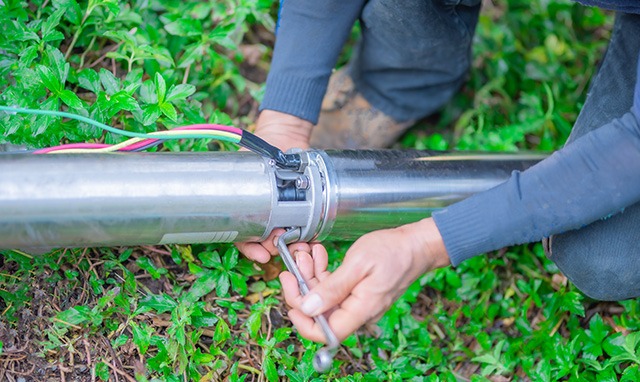
Water storage is a critical need for both residential and commercial properties across California. With fluctuating rainfall and increasing water demands, having a reliable storage solution is more important than ever. Galvanized tanks have emerged as a dependable option due to their durability, rust resistance, and cost-effectiveness. Whether you need a tank for agricultural use, irrigation, or emergency water reserves, choosing the right Galvanized tank installation service California can make all the difference.
Why Choose Galvanized Tanks for Water Storage?
Galvanized tanks are crafted from steel coated with zinc, which provides exceptional corrosion resistance and longevity. These tanks are ideal for California’s diverse climates, from the coastal regions to the arid inland areas. Here’s why galvanized tanks are a top choice:
- Durability
The zinc coating protects the steel from rust and other environmental factors, ensuring a lifespan that often exceeds several decades. - Cost-Effectiveness
Galvanized tanks offer excellent value for their price, making them a budget-friendly solution for large-scale and small-scale water storage needs. - Eco-Friendliness
Being recyclable and reusable, galvanized tanks are an environmentally conscious option for water storage. - Versatility
These tanks can be used for various purposes, including drinking water storage, fire suppression, and irrigation, making them a practical investment for property owners.
Applications of Galvanized Tanks in California
In California, galvanized tanks are widely used across different sectors. Some common applications include:
- Agricultural Use: Farmers rely on galvanized tanks for irrigation and livestock water supply.
- Emergency Water Storage: With unpredictable weather and natural disasters, these tanks serve as a reliable backup water source.
- Commercial Properties: Businesses utilize these tanks to store water for fire safety systems or operational needs.
Factors to Consider Before Installation
Before installing a galvanized tank, consider the following factors to ensure it meets your requirements:
- Size and Capacity
Choose a tank size based on your water consumption needs. Residential users may need smaller tanks, while agricultural or industrial users often require larger capacities. - Location
The installation site should be level, accessible, and compliant with local zoning regulations. A stable foundation is crucial to prevent structural issues. - Water Quality
Assess the water quality to determine whether additional coatings or treatments are needed to prevent contamination. - Regulatory Compliance
Ensure that the tank installation complies with California’s water storage and environmental safety regulations.
The Installation Process Explained
The process of installing a galvanized tank involves several steps to ensure proper functionality and longevity:
- Site Preparation
The first step is to prepare the installation site by clearing debris and leveling the ground. A concrete or gravel base is often recommended to provide stability. - Foundation Setup
A solid foundation is critical to supporting the tank’s weight, especially when filled to capacity. This step may involve pouring a concrete slab or setting up a compacted gravel pad. - Tank Placement
The tank is carefully placed onto the prepared foundation using equipment like cranes or forklifts, depending on its size and weight. - Connection to Systems
Next, the tank is connected to existing water systems, including pipes, pumps, and filtration systems, if required. - Testing and Inspection
After installation, the system is thoroughly tested to ensure it’s functioning as intended. Regular inspections are also recommended to maintain performance over time.
Maintenance Tips for Longevity
To maximize the lifespan of your galvanized tank, follow these maintenance tips:
- Regular Cleaning
Periodically clean the tank to remove sediment and other contaminants that may accumulate over time. - Inspect for Damage
Regularly inspect the tank for signs of rust, leaks, or structural damage and address issues promptly. - Coating Maintenance
Ensure the zinc coating remains intact, as it plays a crucial role in preventing rust. Reapply protective coatings as needed. - Check Connections
Inspect all pipes, valves, and fittings to ensure there are no leaks or blockages in the system.
Why Choose Professional Installation Services?
Opting for professional installation services ensures that your galvanized tank is set up correctly, saving you time, effort, and potential costly repairs. Professionals bring expertise in site preparation, foundation setup, and system integration. They are also well-versed in local regulations, ensuring a compliant and hassle-free installation process.
When searching for a Galvanized tank installation service California, consider the following:
- Experience and Expertise: Choose a service provider with a proven track record in galvanized tank installations.
- Customer Reviews: Look for positive testimonials and recommendations from previous clients.
- Warranty and Support: Ensure the service includes warranties and ongoing maintenance support.
Holding Tanks: An Alternative Solution
For specific applications, holding tanks may be a more suitable option. These tanks are designed to temporarily store water, wastewater, or other liquids before treatment or disposal. In California, holding tanks are commonly used for:
- Construction Sites: Temporary water supply or waste storage.
- Remote Locations: Storing water where access to municipal supply is limited.
- Emergency Response: Quick deployment during disasters or water shortages.
Holding tank California options vary in size and material, making it crucial to choose the right one based on your needs.
Environmental Benefits of Galvanized Tanks
Galvanized tanks not only provide practical solutions for water storage but also contribute to sustainability:
- Reduced Water Wastage
By storing rainwater or excess water, these tanks help conserve resources and reduce dependency on municipal supplies. - Recyclability
At the end of their lifecycle, galvanized tanks can be recycled, minimizing environmental impact. - Energy Efficiency
The production of galvanized tanks requires less energy compared to other water storage solutions, making them an eco-friendly choice.
Common Challenges and Solutions
While galvanized tanks are highly reliable, they may face some challenges. Here’s how to address them:
- Corrosion: Ensure proper coating maintenance and use additional liners if necessary.
- Leakage: Regular inspections and prompt repairs can prevent major issues.
- Scaling: Use water softeners or filtration systems to minimize mineral buildup.
Conclusion: Invest in Reliable Water Storage
Galvanized tanks offer a durable and versatile solution for water storage in California, catering to both residential and commercial needs. By choosing the right Galvanized tank installation service, you can ensure a seamless installation process and long-lasting performance. For those with temporary storage needs, holding tank California options provide flexibility and convenience.
Investing in a galvanized tank not only secures your water supply but also supports sustainable practices, making it a win-win for both you and the environment.